
09:00am to 05:00pm
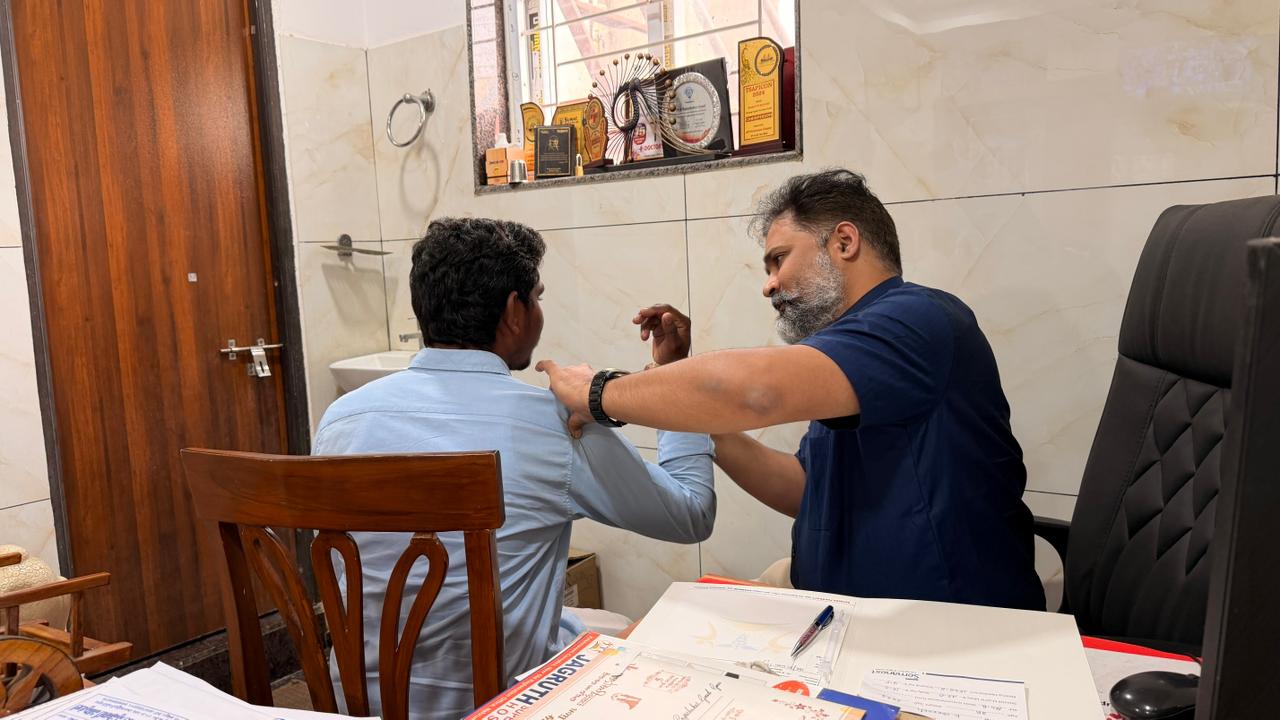
Joint replacement surgery has transformed the lives of millions of people by relieving pain and restoring mobility. While modern knee and hip replacements are designed to last for many years, some patients may eventually require a Revision Joint Replacement Surgery due to implant wear, loosening, infection, instability, fractures, or other complications.
Revision joint replacement is a highly specialized orthopedic procedure that involves removing part or all of an existing artificial joint and replacing it with a new implant. Compared to primary joint replacement, revision surgery is more complex and requires advanced surgical expertise, detailed planning, and personalized rehabilitation.
Dr. B. Sai Phani Chandra specializes in managing complex revision joint replacement cases with modern surgical techniques and patient-centered care. Our goal is to relieve pain, restore joint stability, improve mobility, and help patients return to an active and independent lifestyle.
Revision Joint Replacement Surgery is a procedure performed to replace or repair a previously implanted artificial joint that has failed or is no longer functioning properly.

Stronger Results
10+ years strong
Unlike a primary joint replacement, revision surgery often involves:
01
03
02
02
02
The surgery may involve the knee, hip, or shoulder, depending on the patient’s condition.
Every revision surgery is unique and requires careful evaluation to determine the underlying cause of implant failure and the most appropriate treatment plan.
Although joint replacement implants are highly durable, they can sometimes fail due to various reasons.
Common causes include:
Over time, the implant may loosen from the surrounding bone, causing pain and instability.
Years of movement can gradually wear down the implant surfaces, especially in active individuals.
Joint infection is a serious complication that may require removal of the implant before a new one is inserted.
Some patients experience repeated joint dislocations or instability after replacement surgery.
A fracture around the artificial joint may require revision surgery to restore stability.
Progressive bone damage surrounding the implant may reduce its support.
In rare cases, implant components may fail or become damaged.
When pain continues after joint replacement despite conservative treatment, further evaluation may reveal problems requiring revision surgery.
You should consult an orthopedic surgeon if you experience:
Early diagnosis helps prevent further complications and improves treatment outcomes.
Revision Joint Replacement Surgery is performed for:
Each condition requires individualized evaluation and treatment planning.
Revision surgery is carefully planned using advanced imaging techniques such as X-rays, CT scans, and blood investigations when infection is suspected.
The procedure generally involves:
01
Medical history, previous surgeries, imaging, and laboratory tests are reviewed.
02
The failed or damaged implant is carefully removed while preserving as much healthy bone as possible.
03
If bone loss is present, specialized grafts or augmentation techniques may be used
01
New revision implants designed for complex reconstruction are securely placed.
01
The surgeon checks alignment, movement, and stability before completing the procedure.
Revision surgeries usually take longer than primary joint replacement because of their complexity.
Revision surgery offers several important advantages:
With proper rehabilitation, many patients return to comfortable daily activities after recovery.
Recovery depends on the complexity of the surgery and the patient’s overall health.
Following surgery:
Adhering to your rehabilitation program is essential for achieving the best possible outcome.
Revision joint replacement requires advanced expertise and meticulous surgical planning. Dr. B. Sai Phani Chandra provides personalized care using modern orthopedic techniques to address even the most challenging joint replacement problems.
Patients choose Dr. Sai Phani because of:
Every patient receives individualized treatment tailored to their specific condition and recovery goals.
Primary joint replacement is the first replacement surgery, while revision surgery replaces or repairs a previously implanted artificial joint due to complications or implant failure.
Yes. Revision procedures are generally more complex than primary joint replacement because they may involve bone loss, scar tissue, implant removal, or infection management.
Recovery varies depending on the complexity of the surgery but often takes several months, with physiotherapy playing a vital role.
In many cases, yes. Revision surgery can successfully address implant-related complications and significantly improve pain and function.
Modern revision implants are designed for durability. Their lifespan depends on factors such as bone quality, activity level, overall health, and adherence to post-operative care.
If you are experiencing pain, instability, or reduced function after a previous joint replacement, timely evaluation is essential. Revision Joint Replacement Surgery can help restore comfort, mobility, and confidence when performed by an experienced orthopedic specialist.
Book a consultation with Dr. B. Sai Phani Chandra today for a detailed assessment and personalized treatment plan. Our goal is to help you regain a pain-free, active lifestyle through expert orthopedic care.

Copyright © 2026 All Rights Reserved.