
09:00am to 05:00pm

Hip pain can significantly affect your quality of life, making everyday activities such as walking, climbing stairs, sitting, or even sleeping uncomfortable. If hip pain has become persistent and conservative treatments no longer provide relief, Total Hip Replacement (THR) can be a highly effective solution.
Total Hip Replacement is one of the most successful orthopedic procedures, helping patients regain mobility, reduce chronic pain, and return to an active, independent lifestyle. Dr. B. Sai Phani Chandra specializes in advanced hip replacement surgery using modern surgical techniques, high-quality implants, and personalized rehabilitation programs to ensure optimal recovery.
Whether your hip pain is caused by arthritis, injury, or joint degeneration, our goal is to help you move comfortably again with long-lasting results.
Total Hip Replacement, also known as Hip Arthroplasty, is a surgical procedure in which the damaged portions of the hip joint are replaced with artificial implants designed to replicate the natural movement of the hip.
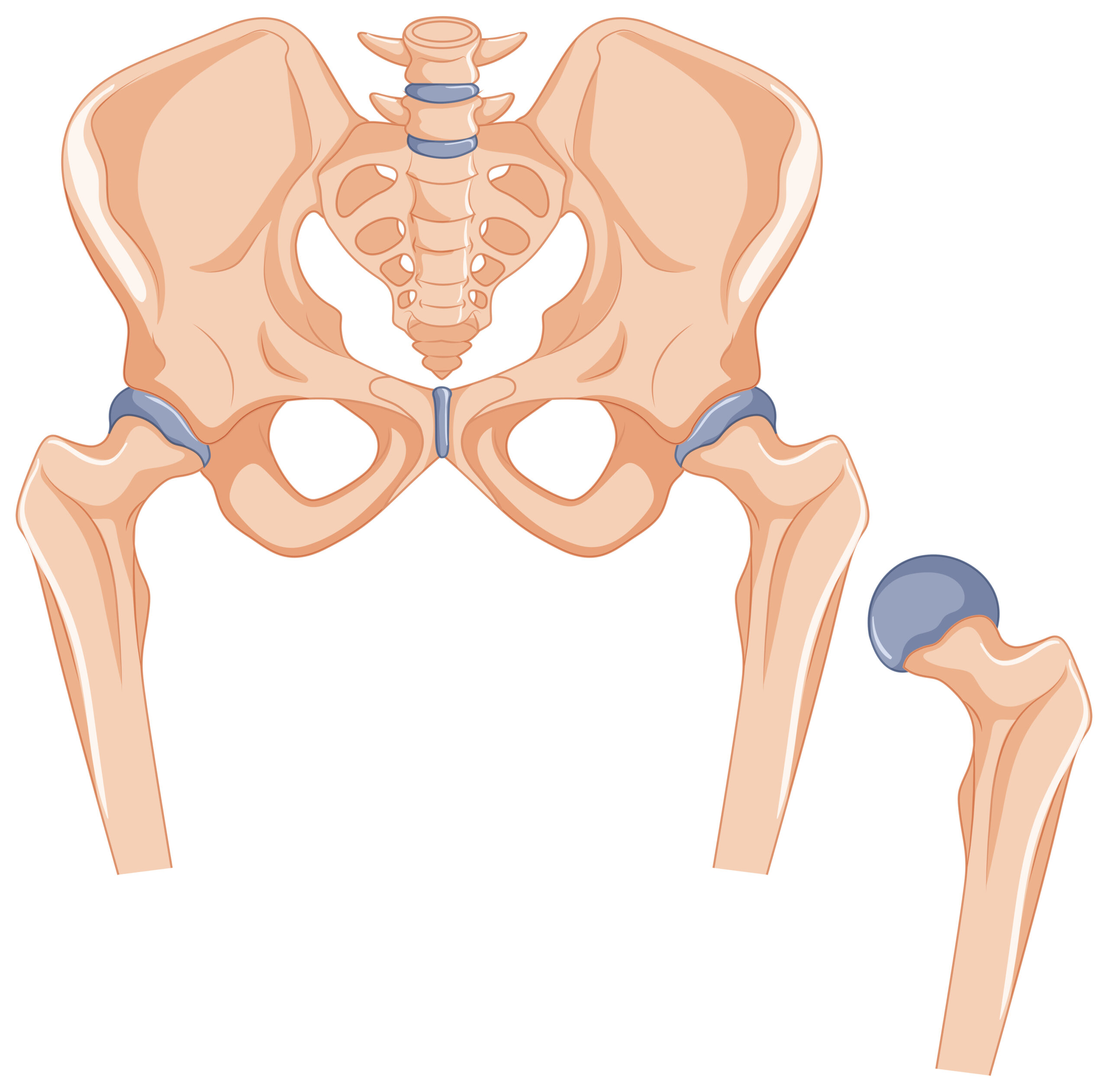
The hip is a ball-and-socket joint, where the rounded head of the femur fits into the socket of the pelvis. Over time, conditions such as arthritis, fractures, or cartilage damage can wear away the smooth joint surfaces, causing pain, stiffness, and reduced mobility.
Stronger Results
10+ years strong
During hip replacement surgery:
Modern implants are designed to be durable and allow patients to enjoy an active lifestyle for many years.
You may be a suitable candidate for Total Hip Replacement if you experience:
01
02
03
03
03
03
03
03
Your orthopedic surgeon will perform a comprehensive evaluation, including a physical examination and imaging tests such as X-rays or MRI scans, to determine whether hip replacement surgery is appropriate.
Total Hip Replacement is commonly recommended for patients with:
Early diagnosis and timely intervention can prevent further joint deterioration and improve long-term outcomes.
You should seek medical evaluation if you notice:
Ignoring these symptoms may lead to worsening joint damage and reduced mobility.
Hip replacement surgery offers numerous advantages, including:
Many patients report life-changing improvements after successful hip replacement surgery.
The surgery is typically performed under spinal or general anesthesia and usually takes 1–2 hours.
The procedure involves:
Every procedure is customized according to the patient’s anatomy and condition to achieve the best possible results.
Recovery begins immediately after surgery with early mobilization and physiotherapy.
Most patients:
Following your rehabilitation program is essential for restoring strength, flexibility, and long-term joint function.
Dr. B. Sai Phani Chandra is dedicated to providing comprehensive orthopedic care with a patient-first approach. From diagnosis to recovery, every treatment plan is tailored to the individual’s needs.
Patients trust Dr. Sai Phani because of:
Our aim is not only to relieve pain but also to help patients regain confidence and enjoy a healthier, more active life.
Yes. Total Hip Replacement is a well-established and highly successful orthopedic surgery with excellent long-term outcomes when performed by an experienced surgeon.
Modern hip implants generally last 15–20 years or more, depending on the patient's activity level, overall health, and implant type.
Most patients begin walking with assistance within 24 hours after surgery and gradually regain independence through physiotherapy.
Yes. Most patients can resume routine daily activities, including walking, driving (after medical clearance), and low-impact exercises within a few weeks to months.
Absolutely. Physiotherapy plays a vital role in improving strength, restoring mobility, and ensuring the best long-term results.
If chronic hip pain is affecting your daily life, Total Hip Replacement Surgery may be the solution to restore your mobility and independence.
Book a consultation with Dr. B. Sai Phani Chandra today for expert evaluation and personalized treatment. Let us help you take the first step toward a pain-free, active future.

Copyright © 2026 All Rights Reserved.