

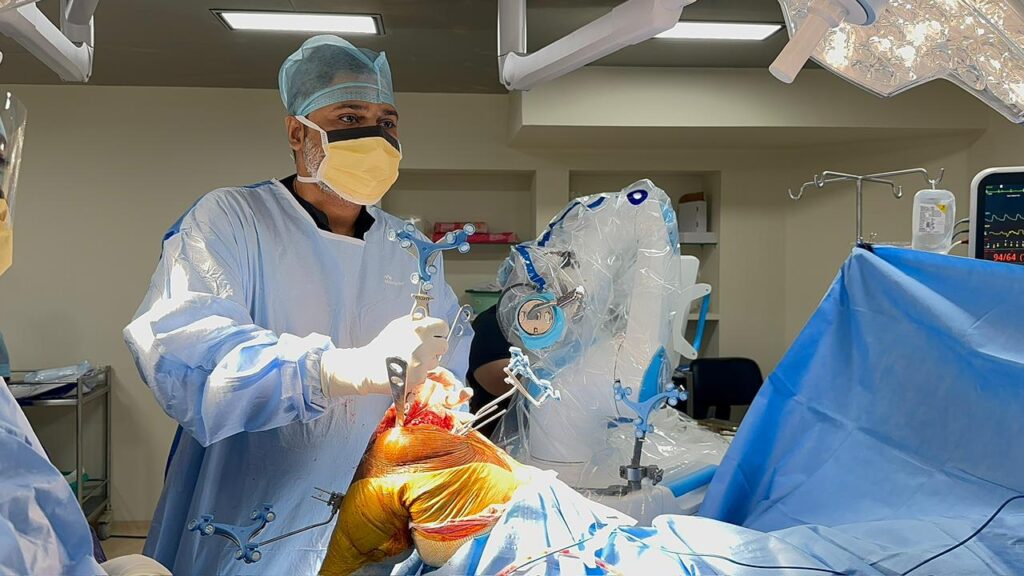
Advanced Orthopaedic Surgery for Bone & Joint Conditions
Orthopaedics focuses on the diagnosis and treatment of conditions affecting the bones, joints, muscles, ligaments, tendons and other parts of the musculoskeletal system.
Modern orthopaedic care includes both non-surgical and surgical treatment options. The appropriate approach depends on the patient’s diagnosis, symptoms, activity level and overall health.
Conditions Treated by Orthopaedic Specialists
An orthopaedic surgeon may evaluate conditions such as:
- Knee pain and arthritis
- Hip problems
- Sports injuries
- Ligament injuries
- Meniscus injuries
- Joint degeneration
- Shoulder conditions
- Musculoskeletal injuries
- Conditions requiring joint replacement
When Is Orthopaedic Surgery Considered?
Surgery is not automatically the first treatment.
Depending on the condition, doctors may initially consider non-surgical options such as physiotherapy, activity modification, medication or other appropriate treatments.
Surgery may be considered when a structural problem requires correction, symptoms remain significant despite appropriate conservative treatment, or the condition is likely to benefit from an operative procedure.
Common Orthopaedic Procedures
Depending on the diagnosis, orthopaedic surgery may include:
- Arthroscopic procedures
- Ligament reconstruction
- Meniscus procedures
- Joint replacement
- Partial knee replacement
- Total knee replacement
- Hip replacement
- Selected corrective procedures
The Importance of Personalized Treatment
Two patients with similar symptoms may require different treatment.
Treatment decisions can depend on:
- Age and general health
- Severity of the condition
- Activity level
- Previous treatments
- Imaging findings
- Functional limitations
- Individual recovery goals
A personalized approach helps patients understand their condition and make informed decisions about treatment.
Advanced Technology in Orthopaedics
Modern orthopaedic practice increasingly incorporates technologies that can assist with diagnosis, planning and selected surgical procedures.
Robotic-assisted joint replacement is one example of technology that may be used in appropriate cases. The technology is a surgical aid and does not replace the surgeon’s clinical judgment.
Recovery and Rehabilitation
Treatment does not end with surgery.
Depending on the procedure, rehabilitation may help patients regain movement, strength and function. After joint replacement, for example, patients may gradually increase walking and perform prescribed exercises to support recovery. OrthoInfo
Choosing an Orthopaedic Specialist
When considering treatment for a bone or joint condition, patients should look for appropriate qualifications, relevant experience, clear communication and a treatment approach suited to their individual condition.
Conclusion
Modern orthopaedic care combines clinical assessment, evidence-based treatment and, where appropriate, advanced surgical technology.
If bone, joint or musculoskeletal problems are affecting your quality of life, schedule an appointment with Dr. Sai Phani Chandra for a comprehensive evaluation.