

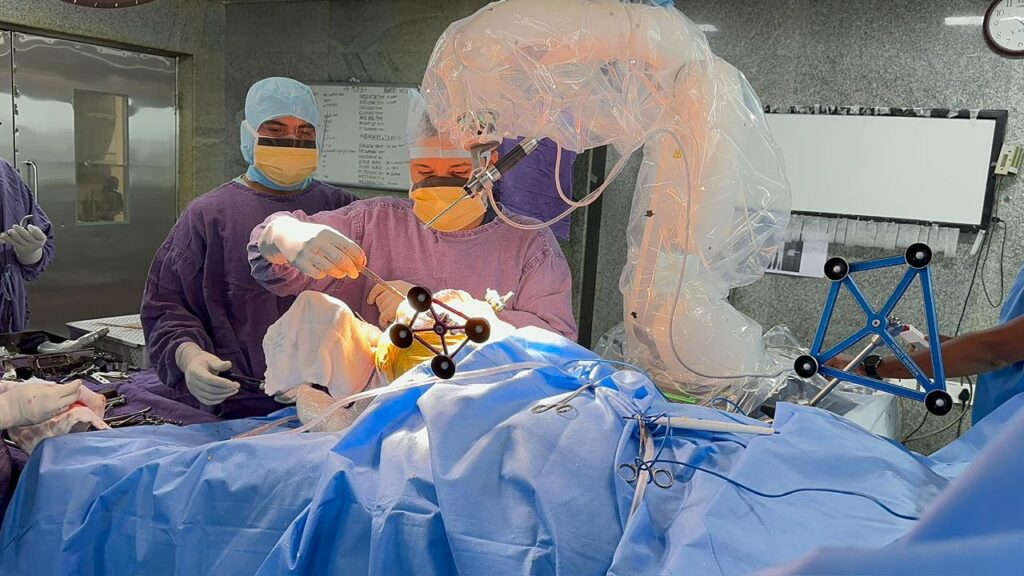
Joint replacement surgery is an established orthopaedic treatment for patients with significant joint damage and persistent symptoms. Knee and hip replacements are among the most commonly performed joint replacement procedures.
However, having joint pain does not automatically mean that joint replacement surgery is required.
Why Is Joint Replacement Recommended?
Joint replacement may be considered when a joint becomes significantly damaged and causes persistent pain and functional limitations.
One common cause is advanced osteoarthritis, in which the protective cartilage within a joint gradually deteriorates.
Patients may experience:
- Persistent joint pain
- Stiffness
- Difficulty walking
- Reduced range of motion
- Difficulty climbing stairs
- Difficulty performing everyday activities
- Pain that affects sleep or quality of life
When Are Non-Surgical Treatments Considered?
Depending on the condition, doctors may initially consider approaches such as:
- Exercise and physiotherapy
- Activity modification
- Appropriate medication
- Weight management when clinically appropriate
- Walking aids or other support
- Selected injection treatments
For knee osteoarthritis, AAOS guidance describes exercise and other non-operative approaches as important components of treatment. OrthoInfo
When Might Surgery Be Considered?
Joint replacement may be discussed when:
- Joint damage is significant.
- Pain is persistent.
- Daily activities are substantially affected.
- Non-surgical treatments have not provided sufficient improvement.
- Examination and imaging support the need for surgery.
The decision should always be individualized.
What Happens During Joint Replacement?
During joint replacement, damaged surfaces of the joint are removed and replaced with artificial components.
For example, in total knee replacement, damaged surfaces of the knee are replaced with prosthetic components designed to restore joint function.
What About Recovery?
Recovery does not end when surgery is completed.
Rehabilitation plays an important role in regaining movement and strength. Patients may initially use walking aids and gradually increase activity according to their surgeon’s instructions. Specific exercises may be recommended to restore movement and strengthen the muscles around the joint. OrthoInfo
Robotic-Assisted Joint Replacement
Robotic technology may be used as part of selected joint replacement procedures to assist the surgical team with planning and execution.
Whether robotic-assisted surgery is appropriate depends on the individual patient, diagnosis and surgical plan.
Conclusion
Joint replacement is not simply about replacing a damaged joint—it is about carefully evaluating the patient’s condition and selecting the most appropriate treatment.
If persistent knee or hip pain is affecting your mobility, consult Dr. Sai Phani Chandra to discuss your diagnosis and treatment options.