

Knee Pain: Causes, Symptoms & Treatment Options
Knee pain is a common orthopaedic concern that can affect people of different ages and activity levels. It may develop after an injury, because of overuse, or as a result of changes within the knee joint such as osteoarthritis.
Because different conditions can produce similar symptoms, identifying the underlying cause is an important first step toward appropriate treatment.
What Causes Knee Pain?
Knee pain can have several possible causes, including:
- Osteoarthritis and other forms of joint degeneration
- Ligament injuries
- Meniscus injuries
- Sports-related injuries
- Tendon problems
- Muscle weakness or imbalance
- Overuse and repetitive stress
- Previous injury or surgery
Risk factors for knee osteoarthritis can include increasing age, previous knee injury, genetics and excess body weight. OrthoInfo
Common Symptoms of Knee Problems
Depending on the underlying condition, patients may experience:
- Pain while walking or climbing stairs
- Knee stiffness
- Swelling
- Difficulty bending or straightening the knee
- Reduced mobility
- Pain during physical activity
- A feeling of instability
- Difficulty performing everyday activities
Persistent symptoms should not simply be ignored, particularly when they begin interfering with normal activities.
How Is Knee Pain Diagnosed?
An orthopaedic evaluation generally begins with a discussion of your symptoms and medical history, followed by a physical examination.
Depending on the suspected condition, the doctor may recommend appropriate imaging or other investigations. The goal is to understand whether the symptoms are related to arthritis, an injury, ligament or cartilage problems, or another condition.
Knee Pain Treatment Options
Treatment depends on the diagnosis, severity of symptoms and individual circumstances.
Depending on the condition, treatment may include:
- Activity modification
- Physiotherapy and rehabilitation
- Strengthening and mobility exercises
- Appropriate medication
- Injections in selected cases
- Bracing or other supportive measures
- Arthroscopic procedures for selected conditions
- Osteotomy in appropriate patients
- Partial or total knee replacement for advanced joint disease
For knee osteoarthritis, treatment may begin with non-surgical approaches such as exercise, physical therapy and other appropriate measures. Surgery may be considered when symptoms become significant and other treatments are no longer providing adequate relief. OrthoInfo
When Should You See an Orthopaedic Specialist?
Consider an orthopaedic consultation if knee pain:
- Persists or keeps returning
- Limits walking or movement
- Interferes with work or daily activities
- Is accompanied by significant swelling
- Develops after an injury
- Is affecting your quality of life
Conclusion
Knee pain does not always require surgery. Early assessment can help identify the underlying cause and determine an appropriate treatment plan.
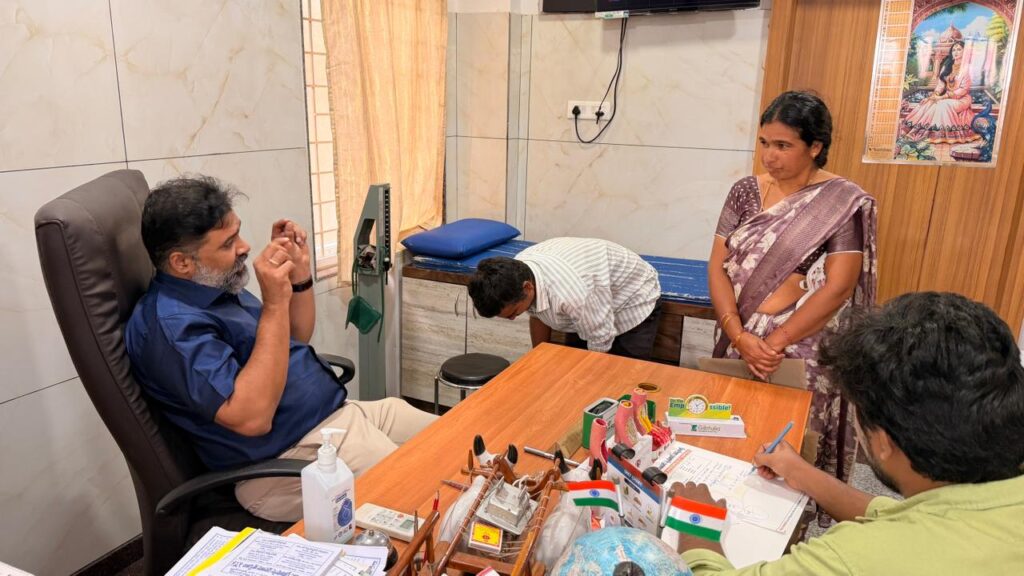
If knee pain is affecting your mobility or daily life, consult Dr. Sai Phani Chandra for a comprehensive orthopaedic evaluation.