

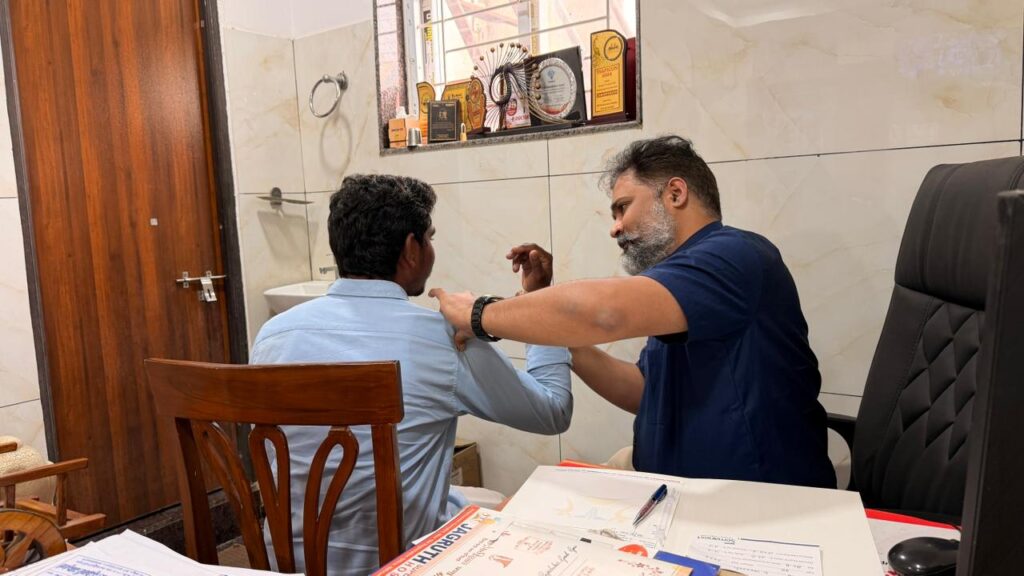
Sports Injuries: Common Types, Treatment & Recovery
Sports and physical activity are an important part of an active lifestyle. However, injuries can occur during training, competition or recreational activities.
Some sports injuries happen suddenly, while others develop gradually due to repetitive stress or overuse.
Common Sports Injuries
Orthopaedic sports injuries can affect different parts of the body, including the knee, shoulder, ankle and other joints.
Common examples include:
- ACL injuries
- Meniscus injuries
- Ligament injuries
- Muscle strains
- Tendon injuries
- Shoulder injuries
- Ankle injuries
- Overuse injuries
ACL injuries, for example, commonly occur during sports and can affect knee stability. Treatment depends on factors such as knee instability, associated injuries, overall health and activity level. OrthoInfo
Symptoms of a Sports Injury
Depending on the injury, symptoms may include:
- Sudden pain
- Swelling
- Reduced movement
- Difficulty putting weight on a limb
- Joint instability
- Weakness
- Difficulty returning to sports
Why Is an Accurate Diagnosis Important?
Different injuries can cause similar symptoms.
A sports injury assessment may include a medical history, physical examination and appropriate imaging when required.
An accurate diagnosis helps determine whether the injury can be managed conservatively or whether further intervention should be considered.
Treatment for Sports Injuries
Treatment depends on the type and severity of the injury.
Possible approaches include:
- Activity modification
- Physiotherapy
- Rehabilitation exercises
- Strength and mobility training
- Bracing when appropriate
- Medication when clinically indicated
- Arthroscopic surgery for selected injuries
- Ligament reconstruction for selected cases
For some ACL injuries, physical therapy may be used before surgery to improve knee movement and manage swelling, while treatment decisions depend on the individual patient’s circumstances. OrthoInfo
The Role of Rehabilitation
Rehabilitation is an important part of sports injury recovery.
A structured programme may focus on:
- Restoring range of motion
- Improving muscle strength
- Developing balance
- Improving coordination
- Gradually rebuilding functional ability
- Preparing for a safe return to activity
Returning to Sports
Returning to sports should be gradual and based on recovery rather than simply the number of days since an injury.
The healthcare team may assess movement, strength, stability and functional performance before recommending progression to higher levels of activity.
Conclusion
Ignoring persistent pain or instability after a sports injury can delay appropriate treatment.
If you have a sports-related injury affecting your movement or performance, an orthopaedic assessment can help identify the problem and guide your recovery.