
09:00am to 05:00pm
Monday - Friday (8am to 5pm) Sunday - Closed
The shoulder is one of the most flexible and mobile joints in the human body, allowing us to lift, rotate, push, pull, and perform countless everyday movements. However, this remarkable flexibility also makes the shoulder vulnerable to injuries, overuse, and degenerative conditions. Persistent shoulder pain, weakness, or restricted movement can interfere with work, sports, and routine daily activities.
Arthroscopic Shoulder Surgery is a modern, minimally invasive orthopedic procedure that allows surgeons to diagnose and treat various shoulder conditions through tiny incisions. Using a high-definition camera called an arthroscope and specialized surgical instruments, damaged tissues can be repaired with greater precision while minimizing trauma to surrounding muscles and soft tissues.
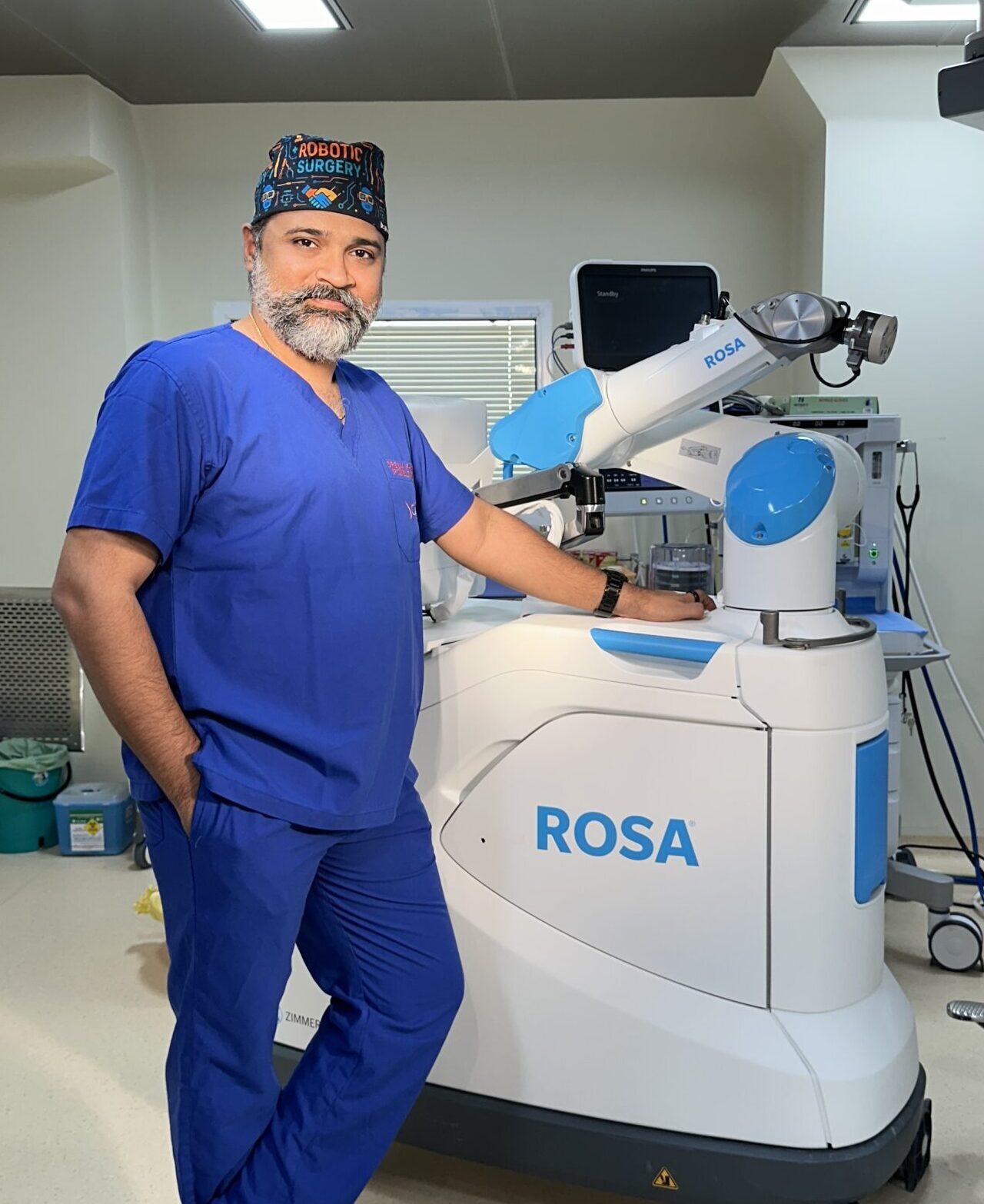
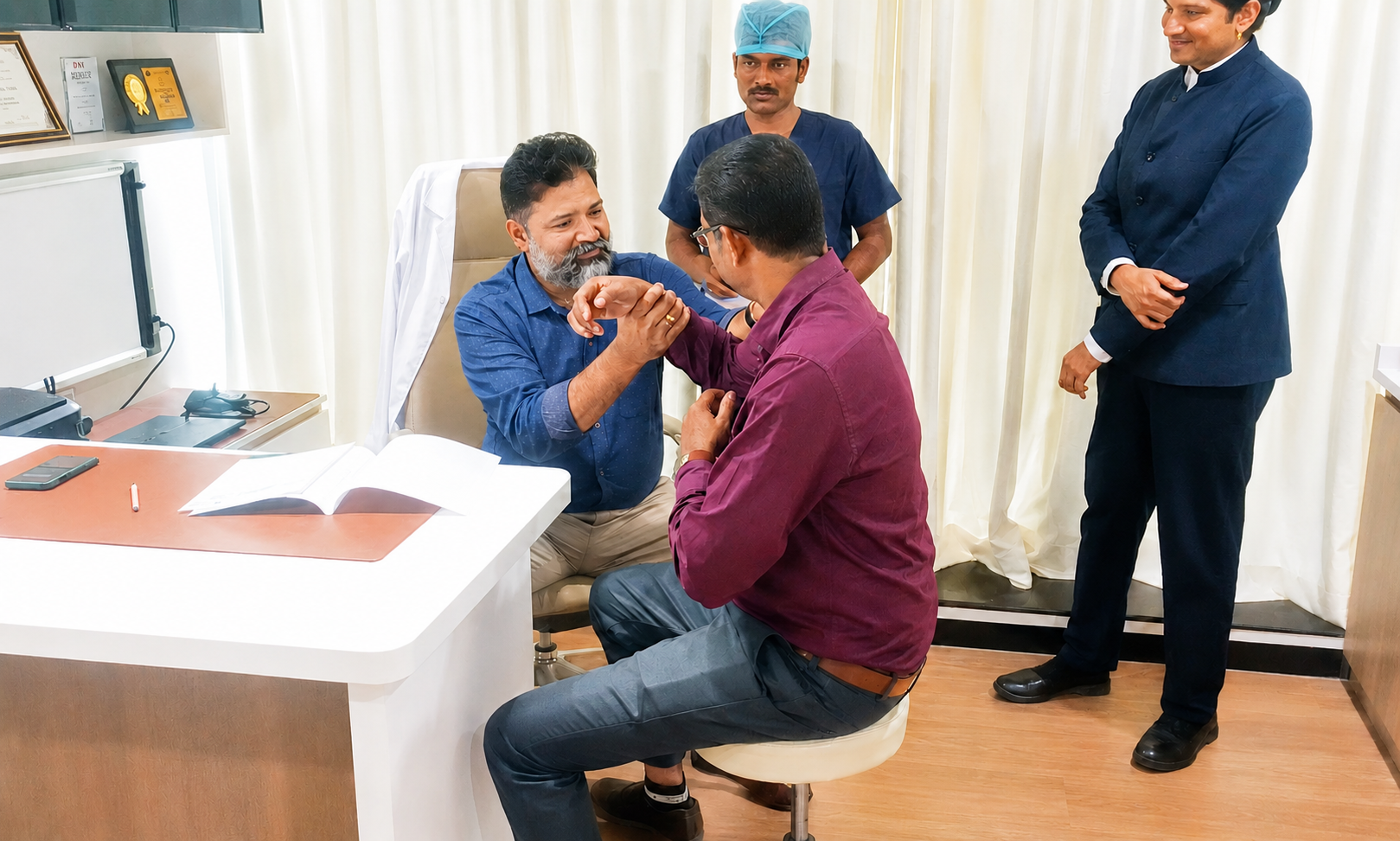
Dr. B. Sai Phani Chandra specializes in advanced arthroscopic shoulder procedures, helping patients recover faster, regain shoulder function, and return to an active, pain-free lifestyle with personalized treatment and comprehensive rehabilitation.
Arthroscopic Shoulder Surgery, also known as Shoulder Arthroscopy, is a minimally invasive procedure used to diagnose and treat a wide range of shoulder disorders.
During the procedure, a small camera (arthroscope) is inserted into the shoulder joint through tiny incisions. The camera projects detailed images onto a monitor, allowing the surgeon to clearly visualize the inside of the shoulder joint. Specialized instruments are then used to repair damaged tendons, ligaments, cartilage, or other soft tissues.
Compared to traditional open surgery, shoulder arthroscopy offers:
Because of these advantages, shoulder arthroscopy has become the preferred treatment for many shoulder conditions.

Stronger Results
10+ years strong
You may benefit from Arthroscopic Shoulder Surgery if you experience:
After a detailed clinical examination and imaging studies such as X-rays, ultrasound, or MRI, your orthopedic surgeon will determine whether arthroscopy is the most suitable treatment.
Arthroscopic Shoulder Surgery is commonly performed for the following conditions:
Repair of torn shoulder tendons to restore strength, reduce pain, and improve arm movement.
Removal of inflamed tissue and bone spurs that compress shoulder tendons during movement.
Repair of torn ligaments and labrum following recurrent shoulder dislocations.
Treatment of cartilage injuries affecting shoulder stability and function.
Arthroscopic release of tight joint tissues to improve mobility and reduce stiffness.
Removal of inflamed bursal tissue causing chronic pain.
Treatment of arthritis or injuries involving the acromioclavicular joint.
Repair or smoothing of damaged cartilage surfaces inside the shoulder.
Consult an orthopedic specialist if you experience:
Early diagnosis helps prevent further joint damage and improves long-term recovery.
Modern shoulder arthroscopy offers numerous advantages over traditional open surgery.
01
Tiny incisions reduce tissue damage and improve cosmetic outcomes.
02
Most patients recover more quickly and return to work and daily activities sooner.
03
Smaller incisions generally result in reduced pain after surgery.
01
The minimally invasive approach lowers the risk of complications compared with larger surgical wounds.
01
The high-definition arthroscope provides excellent visualization of the shoulder joint.
01
Small incisions heal with very little visible scarring.
01
Patients usually begin physiotherapy sooner, helping restore shoulder strength and flexibility.
01
The goal is to relieve pain, improve stability, and restore natural shoulder movement.
The procedure usually takes 45–120 minutes, depending on the condition being treated.
General anesthesia or regional nerve block is administered for patient comfort.
Tiny incisions are made around the shoulder joint.
A miniature camera is introduced to inspect the shoulder structures in detail.
Specialized instruments are used to repair tendons, ligaments, cartilage, or remove damaged tissue.
The incisions are closed with small stitches and covered with sterile dressings.
Because the procedure is minimally invasive, patients typically experience shorter hospital stays and quicker recovery.
Recovery depends on the specific condition treated and the type of repair performed.
Most patients can expect:
A structured rehabilitation program is essential for restoring shoulder strength, flexibility, and long-term function.
Dr. B. Sai Phani Chandra provides expert care for shoulder disorders using advanced arthroscopic techniques and evidence-based treatment protocols.
Patients trust Dr. Sai Phani because of:
Every patient receives individualized care aimed at achieving the best possible recovery and long-term shoulder function.
The procedure is performed under anesthesia. Mild discomfort after surgery is normal and is effectively managed with medications and rehabilitation.
Most procedures take 45–120 minutes, depending on the complexity of the condition.
Gentle movements usually begin under the guidance of a physiotherapist, while strengthening exercises are introduced gradually as healing progresses.
Yes. Physiotherapy is a vital part of recovery and helps restore strength, flexibility, and shoulder function.
Yes. Many athletes return to sports after completing rehabilitation, although recovery time depends on the specific injury and surgical repair.
Shoulder pain and restricted movement should not prevent you from enjoying an active life. Arthroscopic Shoulder Surgery offers a safe, minimally invasive solution for treating a wide range of shoulder conditions while promoting faster recovery and long-term joint health.
Book your consultation with Dr. B. Sai Phani Chandra today for a comprehensive shoulder evaluation and personalized treatment plan. Let us help you regain strength, mobility, and confidence with advanced arthroscopic shoulder care.

Copyright © 2026 All Rights Reserved.